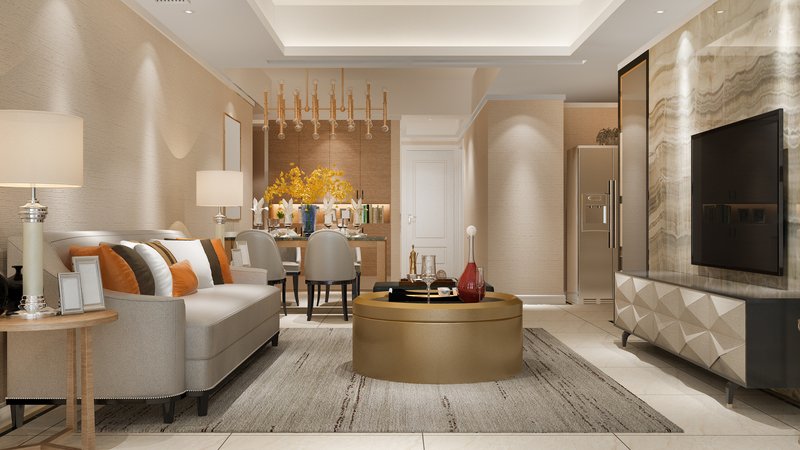
Interior design is one of those subjects that can look simple at first but becomes much more fascinating when you start paying attention to the details. A room can feel warm, spacious, elegant, calm, or energetic without changing its basic structure. The difference often comes from the way colors, furniture, lighting, textures, and decorative elements work together. The keyword why interior design is interesting mintpaldecor reflects the curiosity many people have about what makes interior design such an engaging field. It is not simply about choosing attractive furniture or matching colors. It combines creativity, planning, psychology, functionality, and personal expression.
Interior Design Combines Creativity and Practical Thinking
One of the most interesting aspects of interior design is the balance between imagination and practicality. A designer may have a beautiful idea, but that idea still needs to work within the available space. A living room, for example, needs comfortable seating and enough room for movement. A kitchen needs attractive finishes but must also provide convenient access to appliances and storage. A bedroom should look appealing while maintaining a relaxing atmosphere. This balance makes every project different. There is rarely one solution that works for every home.
Colors Can Change the Feeling of a Room
Color is one of the easiest ways to influence the character of an interior. Different shades can create completely different impressions. Soft neutral tones can make a room feel calm and open. Deeper shades can create a more dramatic atmosphere, while brighter colors may bring energy into a space. The interesting part is that color does not work alone. Lighting, furniture, flooring, and surrounding materials can change how a particular shade appears. This is one reason interior design requires careful observation rather than simply following a color chart.
Furniture Affects How People Use Space
Furniture is not only decorative. Its size, position, and shape influence how people move through a room. A large sofa may provide comfortable seating but could make a small room feel crowded. A compact table might create more walking space while still serving its purpose. When exploring why interior design is interesting mintpaldecor, furniture planning is an important part of the answer. Designers need to think about comfort, proportions, movement, and the daily habits of the people using the room. A well-arranged space can feel completely different from the same room with poorly positioned furniture.
Lighting Creates Atmosphere
Lighting can transform an interior without changing its basic architecture. Natural daylight can make a room feel fresh and spacious, while warm artificial lighting can create a more intimate atmosphere in the evening. Designers often combine several types of lighting. General lighting provides overall illumination, task lighting supports specific activities, and accent lighting draws attention to selected features. The same room can therefore have different moods depending on how it is illuminated. This combination of technology and creativity makes lighting an especially interesting part of interior design.
Texture Adds Depth
A room can contain beautiful colors and furniture but still feel flat if every surface looks the same. Texture adds depth and visual interest. Wood, glass, metal, stone, fabric, leather, and woven materials each create a different impression. Combining them carefully can make an interior feel richer without adding unnecessary decoration. A soft rug beside a wooden floor, textured curtains near a smooth wall, or natural stone alongside modern furniture can create subtle contrasts. These details are often what make a professionally designed room feel complete.
Interior Design Reflects Personality
A home is also a reflection of the people who live there. Personal preferences can appear through artwork, photographs, furniture, colors, books, plants, and decorative objects. This is another reason why interior design is interesting mintpaldecor. There is no single definition of a perfect home. What feels comfortable and beautiful to one person may not appeal to someone else. Good interior design allows personal identity to remain visible while creating a balanced and functional environment.
Small Changes Can Make a Big Difference
Interior design does not always require a complete renovation. Sometimes a few carefully selected changes can refresh an entire room. Moving furniture, replacing curtains, adding a mirror, changing lighting, or introducing plants can alter the appearance of a space. A new arrangement may reveal that a room already has more potential than its previous design suggested. This makes interior design accessible to homeowners who want noticeable improvements without taking on a major construction project.
Design and Psychology Are Connected
The design of a room can influence how people feel while using it. Cluttered spaces may feel stressful, while organized environments can create a greater sense of calm. Natural elements, appropriate lighting, comfortable furniture, and suitable colors can all contribute to the atmosphere of a space. Designers therefore consider more than appearance. They also think about how an environment supports relaxation, productivity, social interaction, or concentration. This connection between physical surroundings and human experience adds another layer of interest to the subject.
Interior Design Keeps Evolving
Interior design changes as lifestyles and technology change. Open-plan spaces, home offices, smart lighting, sustainable materials, and flexible furniture have become increasingly relevant to modern households. At the same time, older design influences continue to return in new forms. Traditional materials can be combined with modern technology, while vintage furniture can work alongside contemporary pieces. This constant evolution keeps the field fresh. There is always another style, material, technique, or idea to explore.
Sustainability Adds a New Dimension
Sustainability has become an important consideration in modern interiors. Designers and homeowners are increasingly interested in durable materials, energy-efficient lighting, recycled products, and furniture that can remain useful for many years. Choosing quality pieces instead of frequently replacing inexpensive items can reduce waste and create a more timeless interior. Natural materials and plants can also bring a stronger connection with the outdoors. Sustainable design shows that an attractive interior can also be thoughtful about resources and long-term use.
Technology Is Changing Interior Spaces
Smart home technology has introduced new possibilities for interior design. Automated lighting, smart thermostats, connected appliances, and modern entertainment systems can now become part of a home’s overall design.
The challenge is integrating technology without allowing devices and cables to dominate the room.
Well-planned technology can improve convenience while maintaining a clean appearance. This combination of function and aesthetics is becoming increasingly important in contemporary homes.
Conclusion
Why interior design is interesting mintpaldecor can be answered in many ways because interior design combines several disciplines at once. It involves creativity, practical planning, color, lighting, furniture, psychology, technology, and personal expression. Every room presents a different challenge, and every homeowner has different needs and preferences. A successful design makes a space attractive while ensuring that it remains comfortable and useful. That combination is what makes interior design more than decoration. It is a creative way of shaping the environments where people live, work, relax, and spend time with others.