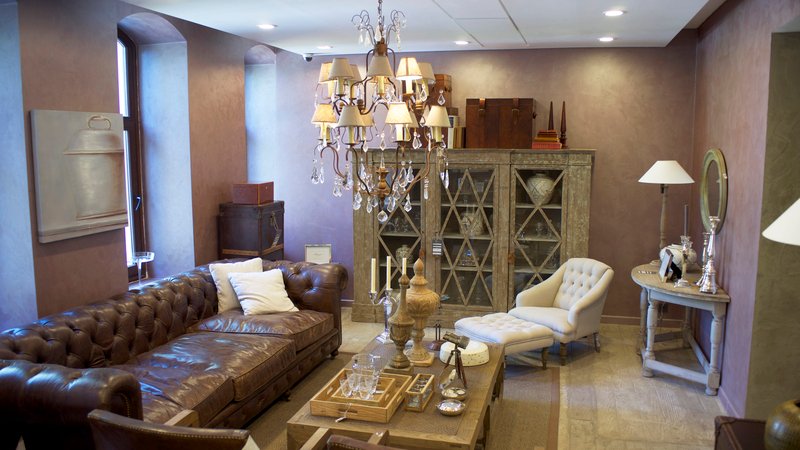
Interior design drhomey focuses on creating living spaces that look attractive while remaining comfortable and practical. Interior design is not only about expensive furniture or fashionable decorations. It involves thoughtful choices about colors, lighting, furniture, materials, storage, and room layout. A well-planned interior can make everyday life easier. The right furniture arrangement can improve movement, while suitable lighting can change the atmosphere of a room. Even small adjustments can make a home feel more organized and welcoming.
What Is Interior Design DrHomey?
The concept of interior design drhomey can be understood as an approach that combines personal style with practical home design. Every room has a purpose, so its design should support the activities that happen there. A living room may need comfortable seating for family gatherings. A bedroom should create a peaceful environment for rest. A kitchen needs efficient storage and enough workspace. Good design considers these requirements before decorative details. Personal taste also plays an important role. Some homeowners prefer modern interiors with clean lines, while others enjoy traditional furniture, warm colors, natural materials, or a combination of different styles.
Choosing the Right Colors
Color is one of the easiest ways to change the appearance of an interior. Light shades can make smaller rooms appear more spacious, while darker colors can create depth and contrast. Neutral colors are popular because they provide flexibility. White, beige, gray, and soft earth tones can work with many furniture styles. Accent colors can then be introduced through cushions, rugs, artwork, curtains, or decorative objects. Before choosing a final color, it is useful to consider natural and artificial lighting. The same paint can appear different in morning sunlight, evening light, and artificial illumination.
Furniture and Room Layout
A major part of interior design drhomey is effective space planning. Furniture should match the size and purpose of the room. Large furniture can make a small room feel crowded. Very small pieces can make a large room look unfinished. Measuring the available space before purchasing furniture helps avoid these problems. Walking paths should remain clear. Doors, windows, heating systems, and other permanent features should also be considered when arranging furniture. Functional furniture can be particularly helpful in smaller homes. Storage beds, ottomans, compact tables, and wall-mounted shelves can provide useful functions without taking too much floor space.
The Role of Lighting
Lighting has a significant effect on interior atmosphere. A room with good furniture can still feel uncomfortable if the lighting is poorly planned. General lighting provides overall brightness. Task lighting helps with activities such as reading, cooking, or working. Accent lighting can draw attention to artwork, shelves, or architectural features. Natural light should also be used effectively. Curtains and blinds can control brightness while maintaining privacy. Mirrors can help reflect available light and may make certain rooms feel brighter and more open.
Creating a Comfortable Bedroom
The bedroom should be designed around comfort and relaxation. The bed usually becomes the central feature, so it should have enough space around it for convenient movement. Soft bedding, suitable curtains, and warm lighting can create a calmer atmosphere. Storage also matters because visible clutter can make the room feel less relaxing. Personal touches can make a bedroom more meaningful. Photographs, artwork, books, plants, or other favorite objects can add character without requiring major changes.
Designing Small Spaces
Small rooms require careful planning, but limited space does not prevent attractive design. The key is to use available space efficiently. Vertical storage can free up valuable floor area. Furniture with more than one function can also improve practicality. Keeping unnecessary objects out of the room creates visual breathing space. Instead of filling every surface with decorations, homeowners can select a few pieces that have genuine value or meaning. This approach makes the room easier to maintain while preserving its personality.
Interior Design DrHomey and Personal Style
The best interior design drhomey approach allows homeowners to express their own preferences. A home does not need to look like a furniture showroom. Personal belongings can give a room warmth and identity. Family photographs, books, handmade decorations, travel souvenirs, and artwork can all contribute to the overall character. The important thing is to create balance. Too many unrelated items can make a room look cluttered, while carefully arranged pieces can make it feel intentional.
Sustainable Interior Choices
Sustainable choices can also be part of modern interior design. Durable furniture can reduce the need for frequent replacement. Reusing existing furniture is another practical option. An older wooden table, cabinet, or chair may become useful again with cleaning, repair, or refinishing. Choosing long-lasting materials can also provide better value over time. Sustainability does not always require expensive products. Buying carefully and avoiding unnecessary replacements can make a meaningful difference.
Common Interior Design Mistakes
One common mistake is purchasing furniture without measuring the room first. Another is choosing colors without considering lighting conditions. Too many decorative objects can create unnecessary visual clutter. Poor storage planning can also make an attractive room difficult to maintain. A successful design should therefore consider functionality from the beginning. Decoration should support the room rather than make everyday use more difficult.
Frequently Asked Questions
What is interior design drhomey?
Interior design drhomey refers to a home-design approach focused on combining style, comfort, functionality, and personal expression.
Can I improve my interior design on a small budget?
Yes. Rearranging furniture, improving lighting, reducing clutter, changing textiles, and reusing existing furniture can make a noticeable difference.
How can I make a small room look bigger?
Use appropriately sized furniture, maintain clear walking areas, improve lighting, and consider light colors and mirrors.
Why is lighting important?
Lighting affects how a room looks and feels. Combining general, task, and accent lighting can improve both functionality and atmosphere.
Should every room have the same style?
Not necessarily. Rooms can have individual personalities while sharing a few colors, materials, or design elements that create visual consistency.
Conclusion
Interior design drhomey is about creating spaces that feel useful, comfortable, and personal. Effective design does not depend entirely on expensive furniture or complicated decorations. Thoughtful color choices, suitable furniture, good lighting, practical storage, and personal details can transform an ordinary room. By focusing on how a space will actually be used, homeowners can create interiors that remain attractive while supporting everyday life.