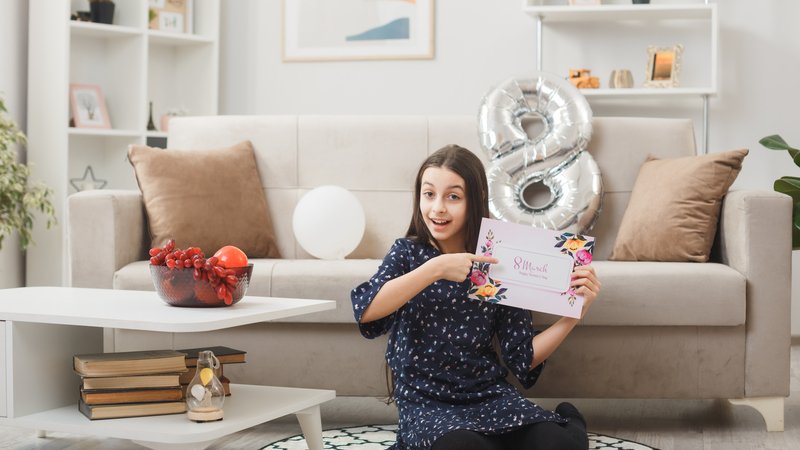
Home decor ideas thehometrotters can help homeowners create spaces that feel comfortable, organized, and visually appealing without requiring a complete renovation. Good home decor is not simply about buying attractive furniture. It involves choosing colors, arranging furniture, improving lighting, adding texture, and using personal items in ways that suit the space. A successful decorating project should reflect how a home is actually used. A family living room needs practical seating, while a bedroom should feel calm and comfortable. Even a small apartment can look stylish when every piece has a clear purpose.
What Makes Good Home Decor?
The idea behind home decor ideas thehometrotters is to combine personal style with practical design. A room should look attractive, but it should also remain easy to use and maintain. Start by considering the size and purpose of the room. Large furniture may overwhelm a compact space, while very small pieces can make a larger room feel incomplete. The right proportions create better visual balance. Personal preferences also matter. Some homeowners prefer modern interiors with simple lines. Others enjoy traditional furniture, warm colors, natural materials, or a mixture of different styles.
Choose a Simple Color Scheme
Color is one of the easiest ways to transform a room. Light shades can make a smaller space feel more open, while deeper tones can add warmth and character. Neutral colors such as white, beige, cream, and soft gray provide a flexible foundation. Accent colors can then appear through cushions, rugs, artwork, curtains, and decorative objects. Avoid choosing too many unrelated colors. A simple palette usually creates a more cohesive appearance. Natural light should also influence your choice. A color may look different in bright daylight compared with artificial lighting at night. Testing a small area before painting the entire room can prevent unwanted results.
Improve Furniture Arrangement
One of the most practical home decor ideas thehometrotters is to reconsider furniture placement before buying anything new. Move furniture away from unnecessary obstacles and keep walking paths clear. In a living room, seating can be arranged around a central table or focal point. In a bedroom, the bed should have enough surrounding space for comfortable movement. Do not automatically place every piece against a wall. Depending on the room, bringing furniture slightly inward can create a more balanced arrangement. Measurements are important. Always consider doorways, windows, radiators, and other permanent features before purchasing large furniture.
Use Lighting to Change the Atmosphere
Lighting can make a significant difference to the appearance of a room. A single ceiling fixture may not provide enough flexibility for different activities. Combine general lighting with task and accent lighting. A desk needs focused illumination, while a reading corner may benefit from a floor or table lamp. Accent lights can highlight artwork, shelves, plants, or architectural details. Warm lighting can also create a more relaxed evening atmosphere. Natural light should remain part of the design. Keep windows reasonably clear and use curtains or blinds that provide privacy without unnecessarily blocking daylight.
Add Texture and Natural Elements
Texture prevents a room from looking flat. Rugs, cushions, curtains, blankets, wooden furniture, woven baskets, and textured artwork can introduce visual interest. Plants are another simple addition. They can bring natural color into living rooms, bedrooms, kitchens, and workspaces. Choose plants according to the available light and the amount of maintenance you can provide. Natural materials such as wood, cotton, stone, and woven fibers can also make interiors feel warmer and more inviting.
Decorate Small Spaces Efficiently
Small rooms require careful decorating because excessive furniture and accessories can quickly create clutter. Use vertical space through shelves, wall-mounted storage, or tall cabinets. Furniture with built-in storage can also provide additional functionality. Mirrors may help a room feel larger by reflecting light and creating a sense of depth. Choose a suitable size and position rather than covering every available wall. Another useful approach is to leave some surfaces and floor areas open. Empty space gives important decorative pieces room to stand out.
Personalize Your Interior
The best home decor ideas thehometrotters should leave room for personal expression. A home should feel connected to the people who live there rather than looking like an identical showroom. Family photographs, books, artwork, souvenirs, handmade items, and favorite collections can give rooms character. Personal objects work best when arranged intentionally. Grouping similar items together can create visual order while preserving their individual meaning.
Refresh Your Home on a Budget
A home makeover does not always require expensive purchases. Rearranging furniture, changing cushions, updating curtains, adding plants, or improving lighting can create noticeable changes. Before buying new decorations, look at items already available in other rooms. A lamp, artwork, or small table may work better somewhere else. Repainting one wall can also create a focal point without requiring a complete room renovation. Similarly, replacing outdated cabinet handles can refresh furniture at relatively low cost.
Avoid Common Decorating Mistakes
Too much decoration can make a room feel crowded. Choose items that provide visual interest, practical value, or personal meaning. Another common mistake is ignoring storage. Even attractive interiors become difficult to maintain when everyday belongings have no designated place. Poor lighting can also weaken an otherwise good design. Consider how the room looks during both daytime and evening before deciding whether the lighting is sufficient. The goal should always be balance between beauty, comfort, and functionality.
Frequently Asked Questions
What are home decor ideas thehometrotters?
Home decor ideas thehometrotters refers to practical decorating concepts focused on improving the appearance, comfort, organization, and functionality of residential spaces.
How can I decorate my home without spending much?
Start with furniture rearrangement, decluttering, improved lighting, plants, textiles, and existing decorative pieces. These changes can refresh a room without major expenses.
How do I make a small room look bigger?
Use appropriately sized furniture, keep walking areas open, use vertical storage, improve natural lighting, and consider strategically placed mirrors.
What colors work well for home interiors?
Neutral colors provide a versatile foundation, while carefully selected accent shades can add personality. The best choice depends on room size, natural light, furniture, and personal preference.
How can I make my home feel more personal?
Display meaningful photographs, artwork, books, handmade objects, and souvenirs. Arrange them thoughtfully so they complement the overall room design.
Conclusion
Home decor ideas thehometrotters provide a useful starting point for creating interiors that are attractive without sacrificing everyday practicality. Good decoration comes from thoughtful choices rather than simply filling a room with new products. By selecting a suitable color scheme, arranging furniture carefully, improving lighting, adding texture, using plants, and displaying meaningful objects, homeowners can create spaces that feel more comfortable and personal. The most effective decorating approach is one that matches the home’s size, the household’s lifestyle, and the owner’s individual taste. Small, intentional changes can often make a bigger difference than an expensive complete makeover.