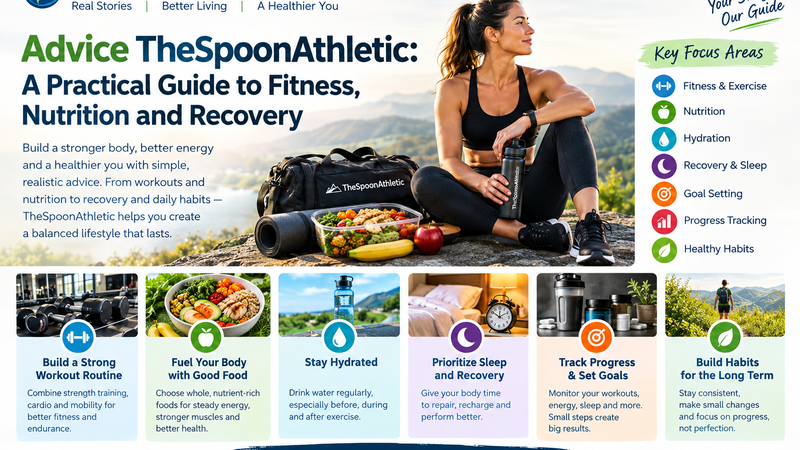
Building a healthy lifestyle requires more than exercising occasionally or following a strict diet. It involves creating consistent habits that support physical strength, energy, and long-term well-being. Advice TheSpoonAthletic focuses on the connection between fitness, balanced nutrition, recovery, and sustainable progress. By understanding these fundamentals, beginners and experienced fitness enthusiasts can develop routines that fit their goals and daily schedules. The most effective fitness approach is not necessarily the hardest one. Instead, it is a realistic plan that combines regular movement, appropriate food choices, sufficient rest, and gradual improvement.
Understanding Your Fitness Goals
Before starting a workout routine, identify what you want to achieve. Some people want to build muscle, while others aim to improve endurance, lose excess body fat, or maintain general health. Each goal may require a slightly different approach, but the basic principles remain similar.
Start by evaluating your current activity level, available time, and experience. Beginners can benefit from simple exercises and short sessions before gradually increasing their workload. More experienced individuals may focus on improving strength, refining technique, or developing cardiovascular endurance.
Setting realistic goals also makes progress easier to measure. Rather than expecting dramatic changes within a few days, focus on small improvements over several weeks. Consistency usually matters more than occasional intense workouts.
Creating an Effective Workout Routine
A balanced exercise program should include strength training, cardiovascular activity, and mobility work. Combining these elements helps develop overall fitness instead of concentrating on just one area.
Strength training supports muscle development and helps maintain physical function. Exercises such as squats, push-ups, rows, lunges, and presses involve major muscle groups. Beginners can start with bodyweight movements or light resistance and learn correct technique before increasing difficulty.
Cardiovascular exercise improves endurance and supports heart health. Walking briskly, cycling, swimming, and jogging are practical options. Choose an activity that suits your fitness level and that you can perform regularly without excessive discomfort.
Mobility exercises and gentle stretching can help maintain comfortable movement. Include movements that address the areas you use most during training, especially when your routine involves repetitive exercises or long periods of sitting.
A simple weekly schedule might include three days of strength training, two days of moderate cardiovascular activity, and lighter movement or rest on the remaining days. Adjust this structure according to your experience, recovery, and personal commitments.
Using Progressive Overload Safely
Progressive overload means gradually increasing the challenge placed on your body as your fitness improves. Without an appropriate increase in training demand, progress may eventually slow.
You can apply this principle by adding a small amount of resistance, performing an extra repetition, improving exercise control, or increasing the duration of a cardiovascular session. You do not need to increase every variable at once.
Good technique should remain the priority. Lifting heavier weights with poor form can increase the risk of injury and reduce the quality of your training. If an exercise causes sharp pain, stop and reassess your technique or seek guidance from a qualified professional.
Advice TheSpoonAthletic emphasizes a practical approach: make progress gradually, pay attention to your body’s response, and avoid comparing your results with someone else’s.
Supporting Fitness With Balanced Nutrition
Exercise creates a demand for energy and nutrients, making food an important part of a successful fitness plan. A balanced diet should provide sufficient calories, protein, carbohydrates, healthy fats, vitamins, and minerals.
Protein supports muscle repair and growth. Foods such as eggs, fish, chicken, dairy products, beans, lentils, and tofu can help meet daily protein needs. Including protein in regular meals is often easier to maintain than relying entirely on supplements.
Carbohydrates provide energy for workouts and everyday activities. Whole grains, oats, potatoes, fruit, and other carbohydrate-rich foods can support an active lifestyle. Choosing mostly nutrient-dense sources helps provide fiber and other important nutrients.
Healthy fats also play an essential role in normal body functions. Nuts, seeds, olive oil, and suitable portions of other unsaturated-fat sources can contribute to a balanced diet.
Avoid assuming that one diet works for everyone. Energy needs vary according to body size, activity, age, and individual goals. A sustainable eating pattern should fit your preferences, budget, and routine rather than depend on extreme restrictions.
Staying Hydrated Throughout the Day
Hydration is another important part of exercise and recovery. Your fluid needs depend on activity level, temperature, workout duration, and how much you sweat.
Drink water regularly throughout the day and pay particular attention before, during, and after exercise. Longer or more intense workouts in hot conditions may require additional fluids. Electrolyte drinks can be useful in certain situations, but they are not necessary for every ordinary workout.
Thirst, urine color, and changes in body weight around exercise can provide useful clues about hydration, although no single sign gives a complete picture. People with medical conditions that affect fluid balance should follow advice from their healthcare professionals.
Prioritizing Sleep and Recovery
Muscles and other body systems need time to recover between demanding sessions. Training hard every day without adequate rest can lead to persistent fatigue, declining performance, and reduced motivation.
Most adults should aim for seven to nine hours of sleep per night. Maintaining a regular bedtime, reducing late-night screen use, and keeping the bedroom comfortable may improve sleep quality.
Rest days do not always require complete inactivity. Walking, gentle stretching, or other low-intensity movement can be appropriate when you feel comfortable. However, persistent pain, unusual exhaustion, or worsening performance may indicate that you need additional recovery.
Supplements such as protein powder or creatine may suit some people, but they are not essential for everyone. Evidence, product quality, personal health, and individual needs should guide decisions. Speak with a qualified healthcare professional before using supplements if you have a medical condition, take medication, or are unsure whether a product is suitable.
Tracking Progress and Avoiding Common Mistakes
Tracking a few useful measurements can help you understand whether your routine is working. Record workout frequency, exercises, resistance, repetitions, energy levels, and recovery. Depending on your goals, you may also monitor walking distance, cardiovascular endurance, or changes in how your clothes fit.
Do not rely on daily weight changes alone. Body weight can fluctuate because of hydration, food intake, and other normal factors. Look for longer-term patterns and consider several indicators of progress.
Common mistakes include changing routines too frequently, skipping recovery, following overly restrictive diets, and expecting immediate results. Another frequent problem is copying an advanced athlete’s training plan without considering personal ability.
Instead, keep your routine manageable and make adjustments when needed. If progress slows, review sleep, nutrition, technique, and training consistency before making major changes.
Building Habits That Last
Long-term fitness depends on habits you can maintain. Choose enjoyable activities, prepare simple nutritious meals, schedule workouts around your responsibilities, and celebrate realistic improvements. If you miss a session, return to your routine rather than treating one setback as a failure.
Advice TheSpoonAthletic is best understood as a reminder to approach fitness as a complete lifestyle rather than a short-term challenge. Exercise, nutrition, hydration, and recovery work together, and none needs to be perfect every day.
Final Thoughts
A healthier lifestyle develops through regular effort and informed choices. Set clear goals, follow a balanced workout plan, eat a variety of nutritious foods, stay hydrated, and give your body enough time to recover. Increase training demands gradually and measure progress over time.
Whether you are beginning your fitness journey or improving an established routine, focus on sustainable actions instead of quick fixes. With patience and consistency, you can build habits that support strength, endurance, and overall well-being for years to come.