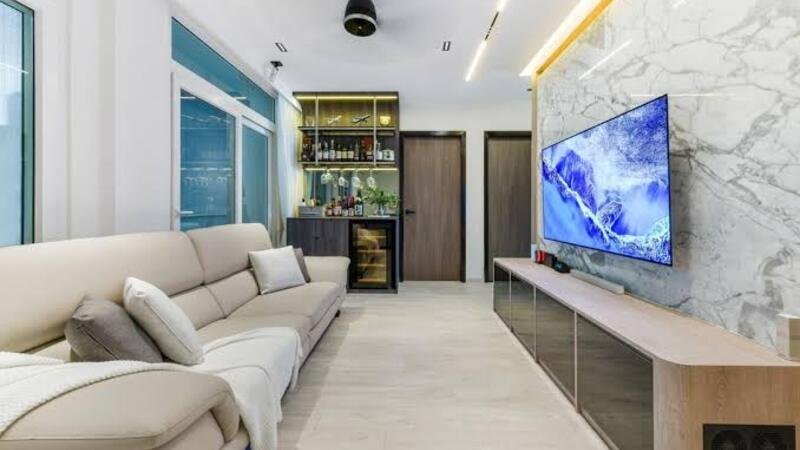
Renovating a home can be exciting, but it can also become overwhelming when every room seems to need attention. The easiest way to approach a renovation is to start with what your home actually needs. A fresh coat of paint may be enough for one room, while another might need better storage, lighting, or a completely different layout. The idea behind DecoradHouse renovation tips from DecoratorAdvice is to make home improvement feel more practical and manageable. Good renovation decisions do not always depend on a large budget. They often come from understanding the space, choosing suitable materials, and making changes that fit the way a household actually lives.
Look at the Home Before Making Changes
Before buying anything, spend some time looking closely at the house. Walk through each room and notice what feels inconvenient, outdated, or uncomfortable. You may discover that a dark hallway needs better lighting rather than new decoration. A crowded bedroom might simply lack useful storage. A kitchen may have enough space but an inefficient arrangement. This kind of observation can prevent unnecessary spending. It also gives you a clearer idea of where your renovation budget should go.
Decide What Matters Most
Not every part of a home needs to be renovated at the same time. Trying to change everything together can make the project expensive and difficult to manage. A better approach is to separate essential improvements from cosmetic ones. Problems involving plumbing, electrical systems, leaks, insulation, or structural elements deserve attention before decorative upgrades. Once those areas are handled, you can concentrate on finishes, furniture, colors, and other visual details. This order keeps the renovation more practical.
Think About How You Use Each Room
A room should support the people who use it. Design choices become easier when you consider everyday habits first. For example, a family kitchen may need generous counter space and easy-to-clean surfaces. A home office may require better lighting and quieter surroundings. A small bedroom might benefit more from built-in storage than from additional furniture. The most useful DecoradHouse renovation tips from DecoratorAdvice are based on this simple principle: design the room around real life rather than making it look attractive for photographs alone.
Give the Kitchen Practical Attention
Kitchen renovations can quickly become expensive, so it is worth considering which changes will make the biggest difference. Sometimes cabinets only need new handles or a fresh finish. Replacing an old backsplash can change the appearance of the room without touching the entire kitchen. Better lighting beneath cabinets can also make cooking and food preparation easier. If a full kitchen renovation is necessary, think carefully about movement between the refrigerator, sink, cooking area, and storage. A beautiful kitchen that is difficult to work in will soon become frustrating.
Make the Bathroom Feel Fresh
Bathrooms do not always require a complete rebuild to look noticeably better. Small updates can have a surprisingly strong effect.A modern mirror, updated lighting, fresh wall colors, or new hardware can give an older bathroom a cleaner appearance. Replacing worn sealant around wet areas can also improve the overall finish. When larger work is needed, pay attention to ventilation and water management. A bathroom should remain attractive, but preventing moisture-related problems is even more important.
Choose Materials for Real Life
A renovation can look impressive when it is new, but daily use eventually tests every material. Floors receive foot traffic, countertops face spills, and walls collect marks. Choose finishes according to the demands of the room. A busy household may need flooring that is easy to clean and resistant to wear. Kitchens benefit from surfaces that can handle regular use without requiring constant maintenance. This is another area where DecoradHouse renovation tips from DecoratorAdvice can be useful. Good design should consider how a material will perform months and years after installation, not only how it looks on the day it is fitted.
Use Lighting to Change the Atmosphere
Lighting is often one of the easiest ways to improve a room. A space with attractive furniture can still feel dull if it lacks suitable illumination. Try to make the most of natural light during the day. Keep windows clear and avoid blocking them with oversized furniture. At night, combine different types of lighting instead of relying on one bright ceiling fixture. A floor lamp can create a comfortable reading corner, while wall or accent lights can add warmth to a living area. The right lighting can make colors, textures, and architectural details appear more appealing.
Create Storage Without Making Rooms Feel Crowded
Storage problems are common in homes of every size. Adding more cabinets is not always the answer. Poorly planned storage can make a room feel even smaller. Look for unused areas that can serve a purpose. Space beneath stairs, the area above doors, and empty wall sections can sometimes accommodate shelves or cabinets. Furniture can also provide hidden storage. Beds with drawers, benches with compartments, and storage ottomans can help keep everyday items out of sight. A cleaner room often feels larger without changing its actual dimensions.
Be Careful With Trends
Home design trends can provide inspiration, but they should not control every renovation decision. A style that looks fashionable today may feel dated after a few years. For permanent features, choose designs that you can comfortably live with for a long time. Flooring, kitchen cabinets, bathroom fixtures, and built-in elements are expensive to replace simply because a trend has changed. You can experiment with current styles through smaller items such as cushions, artwork, curtains, rugs, and decorative pieces. This approach keeps the home personal without requiring another major renovation whenever tastes change.
Make Small Spaces Work Harder
Small homes require careful planning, but limited space does not mean limited style. Light colors can make a compact room feel more open, while mirrors can increase the sense of depth. Furniture with simple shapes usually works better than oversized pieces. Try to keep pathways clear. When every available corner is filled with furniture, the room can quickly feel uncomfortable. Smart storage and carefully selected furniture often make a greater difference than expensive decoration.
Consider Energy Efficiency
Renovation is a good opportunity to think about energy use. Some improvements can reduce monthly costs while making the home more comfortable. Better insulation can help maintain indoor temperatures. Efficient windows can reduce unwanted heat loss or heat gain. LED lighting uses less electricity than many older lighting options. Energy-efficient appliances can also make sense when replacing outdated equipment.These improvements may not always be the most visually exciting part of a renovation, but they can provide useful long-term benefits.
Do Not Forget the Exterior
The inside of a home receives most renovation attention, but the exterior also affects the property’s appearance. A clean entrance, maintained garden, fresh exterior paint, and functional outdoor lighting can make the property feel more cared for. You do not necessarily need major landscaping work. Trimming plants, repairing damaged paths, cleaning exterior surfaces, and improving the front entrance can create a noticeable difference. A balanced renovation considers how the interior and exterior work together.
Keep the Budget Flexible
Even a carefully planned renovation can encounter unexpected costs. Older homes may reveal hidden problems once walls, floors, or cabinets are removed. For this reason, avoid spending the entire budget on decorative features at the beginning. Keeping some money available for unexpected work provides greater peace of mind. Get clear estimates for major jobs and understand what is included before work begins. Good financial planning can prevent a manageable renovation from becoming stressful. For more information visit my website
Add Personal Details at the End
Once the major work is complete, personal touches can bring the home together. Artwork, photographs, books, plants, and meaningful objects can make renovated rooms feel lived-in rather than staged. There is no need to fill every empty surface. A few carefully chosen items can have more impact than a large collection of decorations.Your home should ultimately feel like your own space.
Conclusion
A successful renovation is not simply about making a home look newer. It is about making the property work better for the people who live there. Careful planning, practical materials, useful storage, suitable lighting, and sensible budgeting can make a significant difference. DecoradHouse renovation tips from DecoratorAdvice offers a useful way to think about renovation as a combination of appearance, comfort, and everyday functionality. Small improvements can sometimes produce bigger results than expensive changes made without a clear purpose. When each decision is based on the home’s actual needs, renovation becomes less about following trends and more about creating a space that feels comfortable, practical, and genuinely personal.